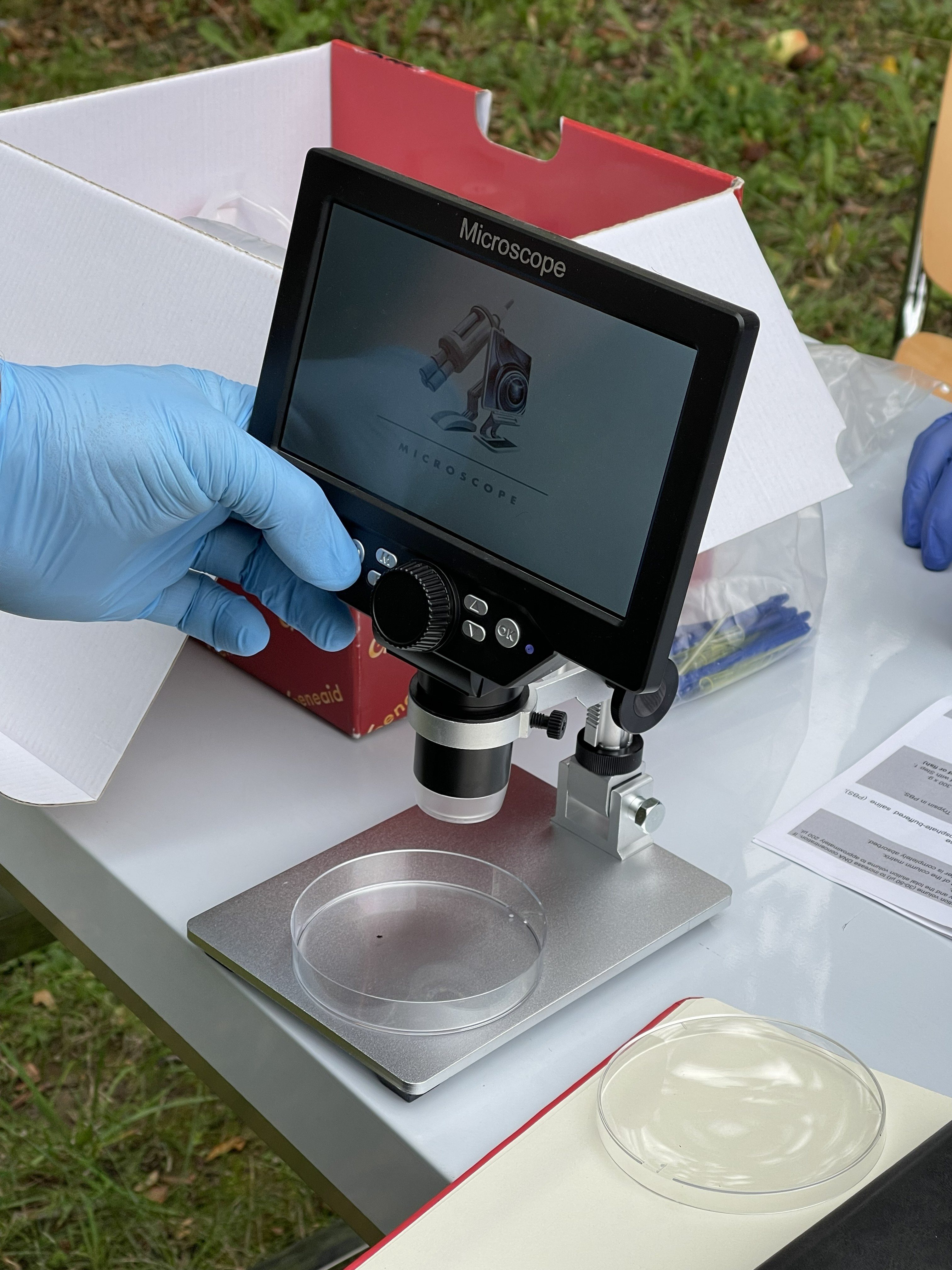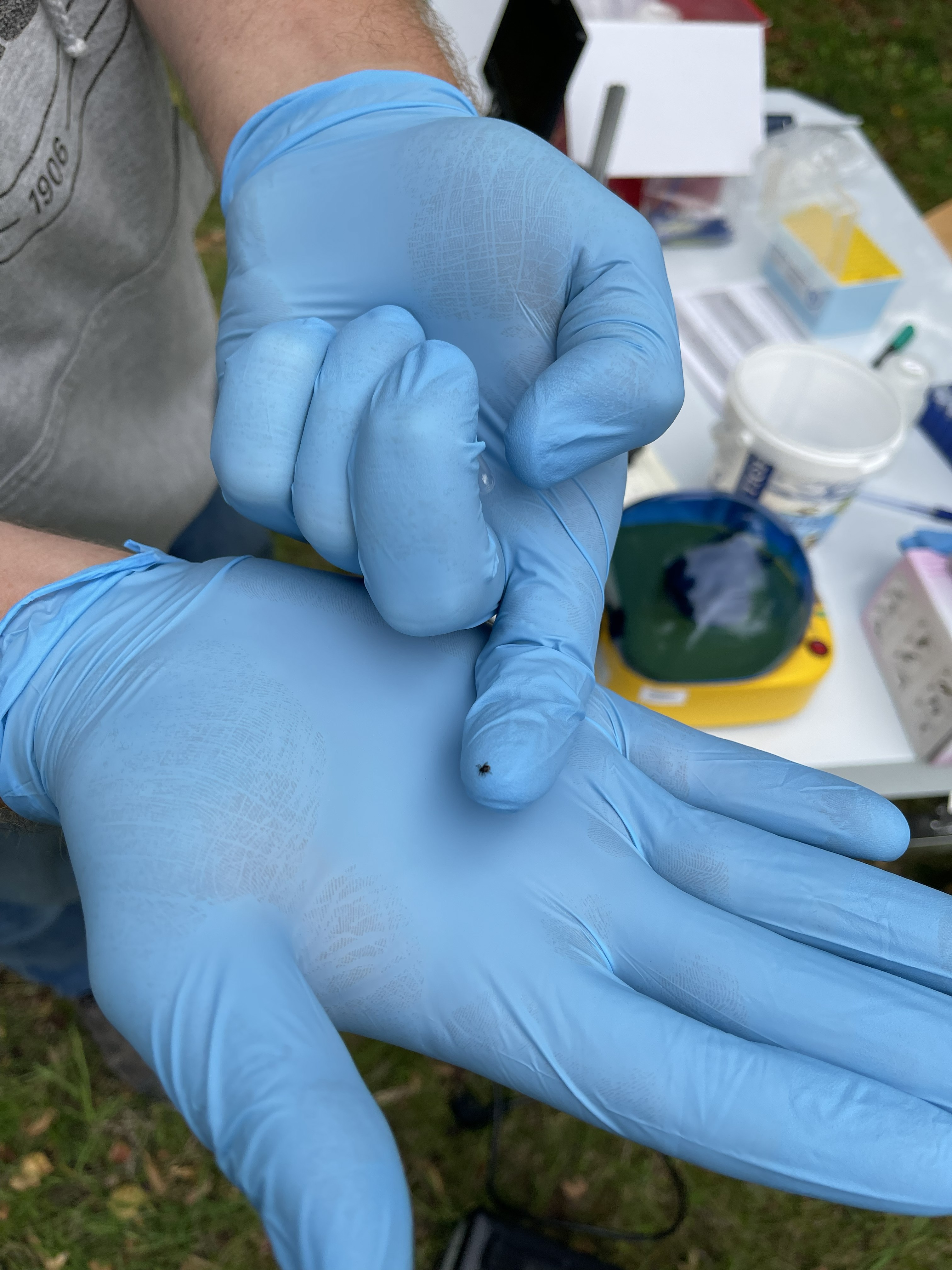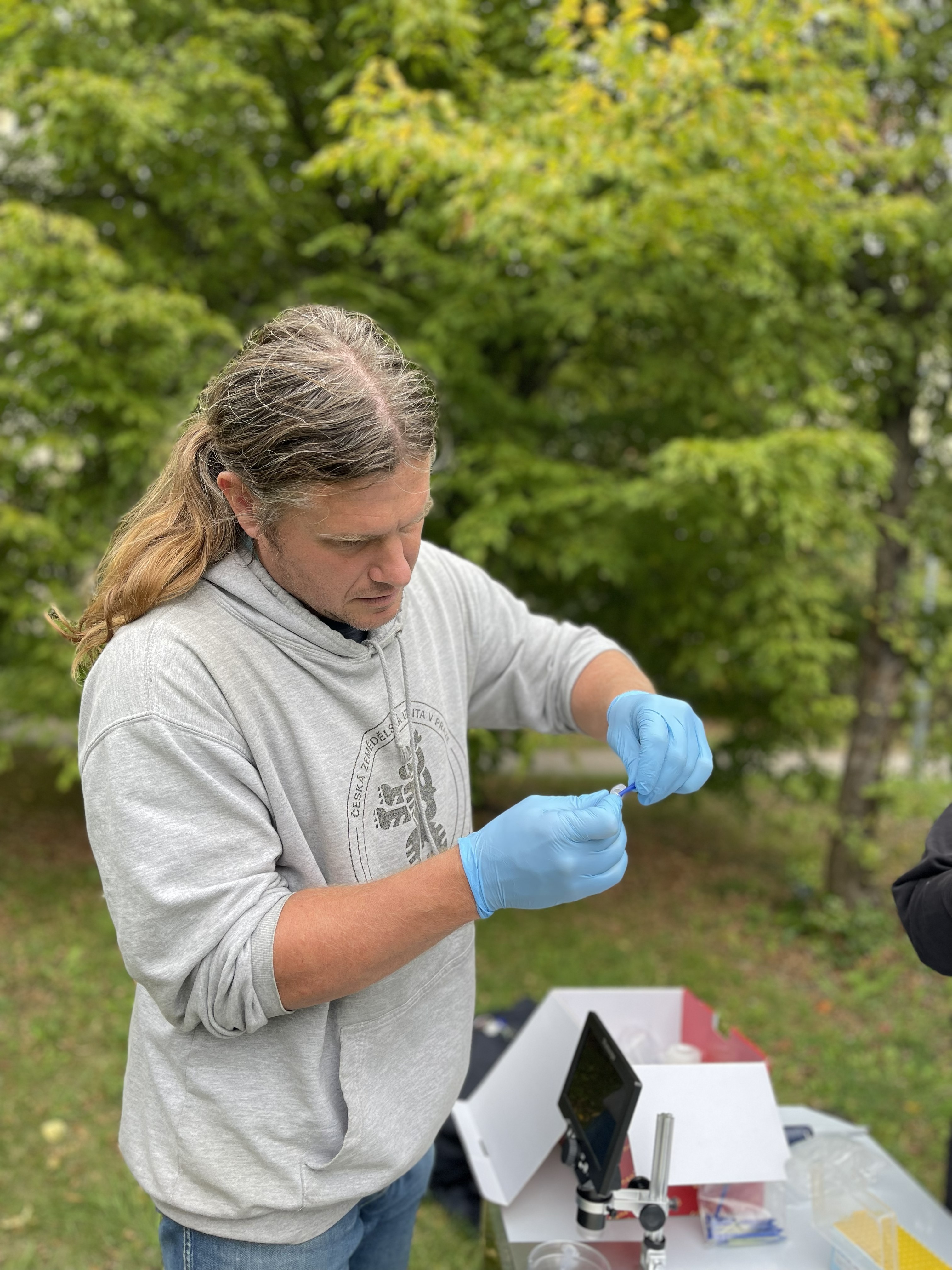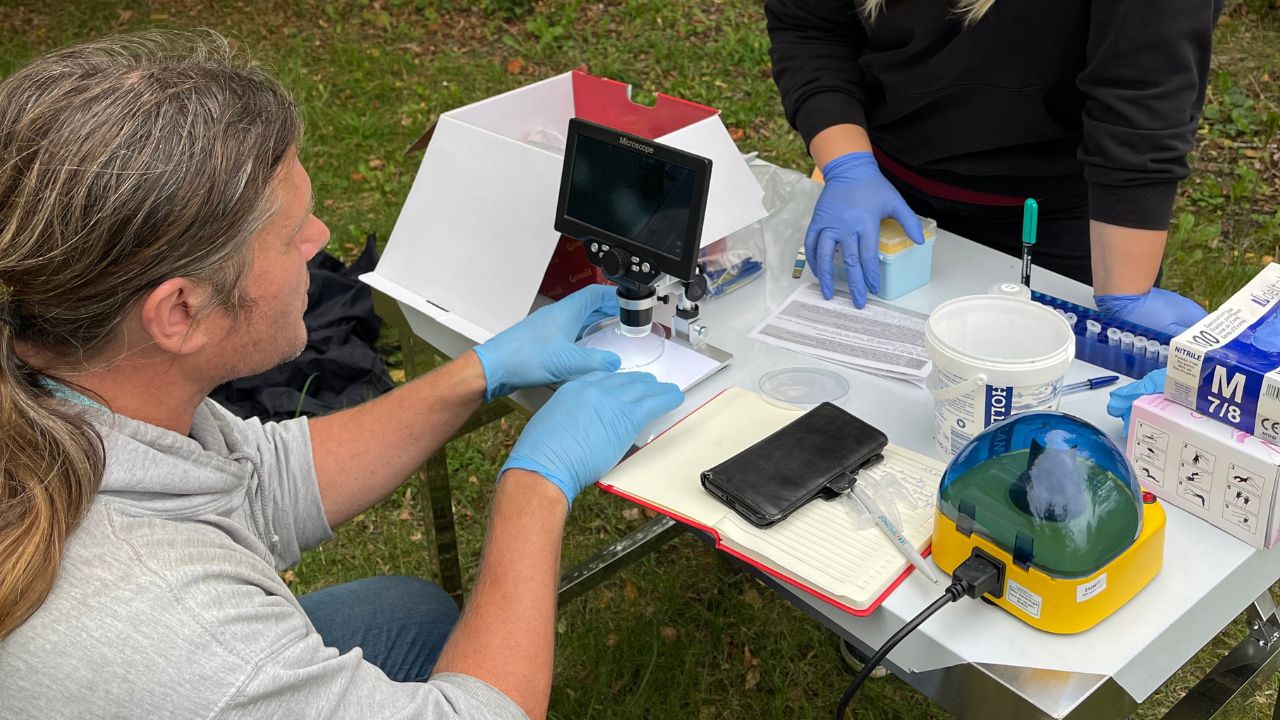
Dr. Jiří Černý is a co-author and CRO of CZU mobiLAB Solutions s.r.o., a modular laboratory designed to enable high-precision RT-qPCR analysis directly in field and remote locations. In this interview, he introduces the idea behind mobiLAB, explains the challenges it aims to address and discusses its potential applications in infectious disease research, surveillance and other field-based activities.
Enjoy reading!
How did the idea of mobiLAB originate?
The idea came from our own experience with field research on infectious diseases. We often collect biological samples in remote areas and then face the same problem: the samples have to be transported hundreds or even thousands of kilometres before they can be analysed in a properly equipped laboratory. This takes time, requires a reliable cold chain and can be logistically complicated, particularly in regions with limited infrastructure. We therefore started asking a simple question: instead of bringing samples to the laboratory, why not bring the laboratory to the samples? This was the starting point for mobiLAB.
What do you want to use mobiLAB for?
Our primary focus is the detection and surveillance of infectious diseases directly in the field. We are particularly interested in zoonotic and vector-borne pathogens circulating between wildlife, livestock and humans. However, the concept is much broader. A mobile laboratory can support outbreak investigations, veterinary surveillance, wildlife research, humanitarian missions or rapid response to biological threats. Wherever samples need to be analysed quickly and conventional laboratory infrastructure is unavailable, mobiLAB can provide a solution.
What makes mobiLAB different from simply transporting laboratory equipment into the field?
For us, mobility is only one part of the concept. We want to create a complete, rapidly deployable laboratory environment that allows sophisticated molecular and other analyses to be performed safely under challenging field conditions. This means combining the laboratory itself with appropriate biosafety, independent energy supply, sample processing, molecular diagnostics, sequencing, communication systems and other technologies. The aim is not to create a temporary improvised laboratory, but a standardized platform that can be deployed where it is needed and adapted to a particular mission.
How would you like to develop mobiLAB in the future?
We see mobiLAB as a platform rather than a single finished product. We want to continuously improve its biosafety, autonomy and ease of deployment, while also expanding the range of analyses that can be performed inside. Molecular diagnostics and sequencing are our starting points, but we would like to integrate immunological, chemical and toxicological analyses and potentially other technologies. Another important goal is to test the system under very different conditions—from Europe to remote locations in Africa—and use the experience of real end users to guide further development.
Do you think mobiLAB can also become commercially successful?
Yes, although scientific research remains an important part of its development. The need for rapid, reliable diagnostics outside conventional laboratories is not limited to universities. Veterinary and public health authorities, humanitarian organizations, conservation projects, emergency response teams and other institutions face similar challenges. Our ambition is therefore to transform the experience gained through research into a practical solution that can be used by these organizations. If we can demonstrate that mobiLAB is safe, reliable, easy to deploy and genuinely useful in real-world conditions, I believe it has strong commercial potential as well.